In the bustling streets of Johannesburg and the vibrant corners of Cape Town, a quiet revolution is taking place—one that lingers in the air as a faint, fragrant mist. Electronic cigarettes have surged into the global market over the past decade, but their journey in South Africa is uniquely complex, shaped by local culture, regulation, and a growing demand for alternatives to traditional tobacco. This isn’t just another trend; it’s a shift in lifestyle, health consciousness, and economic opportunity. Whether you’re a curious consumer or a business eyeing the South Africa wholesale market, understanding this landscape is crucial. Let’s dive deep into the world of e-cigarettes in South Africa, exploring its facets without the haze of misinformation.
The Rise of Vaping Culture in South Africa
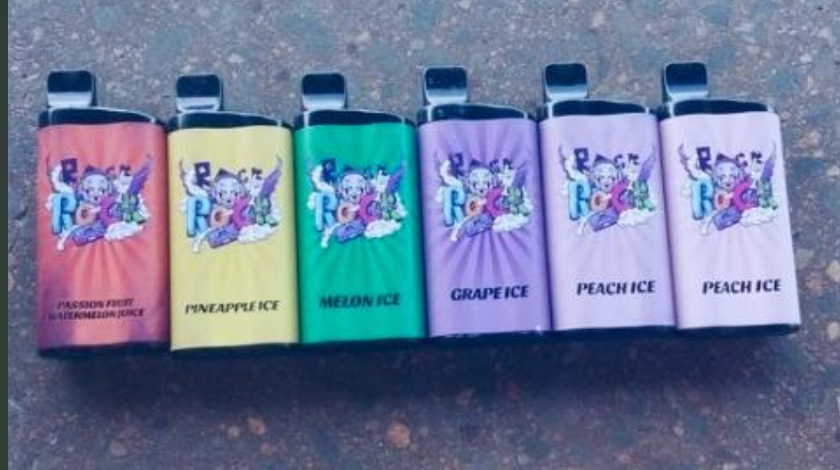
South Africa’s vaping scene has evolved from a niche hobby to a mainstream phenomenon. Unlike in many Western countries, where vaping took off rapidly, South Africa’s adoption has been more gradual, influenced by socioeconomic factors and regulatory ambiguity. Initially, e-cigarettes were imported by enthusiasts who discovered them abroad, but local demand soon sparked the emergence of domestic brands and retailers. Today, you’ll find vape shops in major urban centers, catering to a diverse clientele—from former smokers seeking harm reduction to younger adults drawn by the variety of flavors and social aspects.
What sets South Africa apart is the blend of global trends with local flavors. E-liquids with notes of rooibos, marula, or even biltong have appeared, showcasing innovation rooted in South African culture. Yet, this growth isn’t without challenges. Regulatory frameworks are still catching up, with ongoing debates about taxation, advertising restrictions, and public usage. The South African Health Products Regulatory Authority (SAHPRA) has started to tighten controls, mirroring global concerns about youth access and product safety. For consumers, this means a market in flux—ripe with opportunity but demanding caution.
Health Perspectives: Myths and Realities
The health implications of e-cigarettes are a hot topic worldwide, and South Africa is no exception. Proponents argue that vaping offers a less harmful alternative to smoking, citing studies that show reduced levels of carcinogens compared to combustible tobacco. Public health initiatives in South Africa have begun to acknowledge this potential, especially in a country where smoking-related illnesses remain a significant burden. However, skeptics point to unknowns—long-term effects, nicotine addiction, and risks of unregulated products.
In South Africa, access to reliable information is key. Many users report successful smoking cessation stories, but medical professionals urge caution, emphasizing that e-cigarettes are not risk-free. The local context adds layers: socioeconomic disparities can limit access to high-quality devices, leading some to opt for cheaper, potentially unsafe alternatives. For wholesalers and retailers, this underscores the importance of prioritizing products that meet safety standards and educating consumers. As research evolves, staying informed through local studies—like those emerging from universities in Pretoria or Cape Town—is vital for making balanced decisions.
Economic Winds: The Wholesale Landscape
The business of e-cigarettes in South Africa is thriving, driven by growing consumer demand and entrepreneurial spirit. For those looking to enter the market, the wholesale sector offers substantial opportunities. Sourcing products directly from manufacturers or distributors can reduce costs and ensure supply chain reliability, crucial in a market where import delays and regulatory changes can disrupt availability. The keyword here is scale: South Africa wholesale operations cater to retailers, online stores, and even export ventures to neighboring countries, leveraging South Africa’s robust logistics infrastructure.
However, navigating this landscape requires savvy. Currency fluctuations, import duties, and compliance with local standards (such as the Southern African Development Community guidelines) add complexity. Successful wholesalers often focus on building relationships with trusted international brands while supporting local e-liquid producers, creating a blend of global quality and homegrown innovation. For businesses, this isn’t just about moving products—it’s about understanding consumer trends, like the rising demand for refillable pod systems and nicotine salts, which offer convenience and satisfaction similar to traditional cigarettes.