As someone who thrives on exploring the stories behind the brands I love, stepping into Merrell’s design studio felt like entering a secret world. The first thing that struck me was the workbench of the lead designer—strewn with sketches, fabric samples, and miniature prototypes. Each item seemed to tell a story of meticulous thought and careful experimentation. It was here, amid the controlled chaos, that the heart of merrell barefoot came to life.
Watching the design team at work was fascinating. They weren’t just thinking about how a shoe looks—they were considering how it moves with the foot, how it reacts to different terrains, and how it supports natural motion. One unfinished prototype caught my eye: a lightweight trail shoe that seemed almost skeletal, with minimal padding but strategic reinforcements. A designer explained that it was part of their barefoot line, meant to give the wearer the closest experience to walking directly on the trail while still providing protection and traction. It was clear that every stitch, curve, and material choice had been debated, tested, and refined with real trails in mind.
I was particularly drawn to the way the designers integrated feedback from actual hikers and runners. Notes from field tests were pinned alongside sketches, showing miles walked, temperatures endured, and terrain types conquered. It struck me that Merrell wasn’t just creating shoes in isolation; they were designing with empathy for the people who would wear them. One example was a pair of shoes designed for early morning trail runners in wet, uneven terrain. Adjustments to the sole’s flexibility and the upper’s breathability were subtle but transformative. This attention to detail reminded me of a morning I spent jogging through dewy forest paths—every subtle shift in surface is felt, and having a shoe that anticipates those shifts makes all the difference.
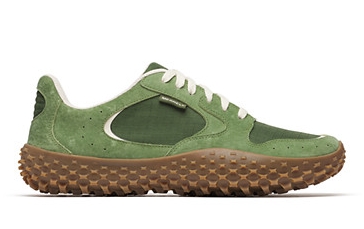
The aesthetic choices were just as intentional as the functional ones. Even in the prototypes, colorways were thoughtfully chosen—not just for style, but for blending with nature or enhancing visibility where needed. I noticed a muted green and brown palette designed for woodland trails, and a brighter scheme for urban runners. It was a reminder that design isn’t only about looks; it’s about context, purpose, and experience.
I also had a chance to see some upcoming, unreleased models. They felt exciting and experimental, yet every innovation still carried Merrell’s core philosophy: creating shoes that allow people to move confidently, comfortably, and naturally. One particular pair combined a minimalist sole with advanced cushioning materials, designed to support the foot without interfering with natural motion. It made me appreciate the balance between innovation and practicality that the brand consistently maintains.
What resonated most was the sense of care embedded in every step of the process. From the first sketches to the prototypes to the final products, it’s evident that Merrell invests not just in technology but in empathy—understanding how a shoe can support an experience, rather than merely decorate a foot. That philosophy comes alive when I lace up my own pair of merrell barefoot. Every trail, path, and sidewalk becomes a more tactile, connected journey, and I can sense the thoughtful design beneath each step.
Seeing the story behind the shoes transformed the way I experience them. It’s no longer just about wearing Merrell—it’s about carrying a piece of the designer’s care and vision with me, whether I’m navigating rugged trails or urban streets. Each pair is a testament to the time, empathy, and creativity poured into it, quietly shaping the way I move through the world.