Being a sports-focused student has always meant that my days revolve around training, drills, and endless runs across different terrains. My shoes have become as important as my stopwatch or my hydration bottle—because if the shoes don’t feel right, nothing else will. I’ve had my fair share of sneakers that looked promising at first but left me with blisters, sore arches, and the occasional regret purchase. That changed when I slipped into the topo athletic mtn racer 2 for the first time.
I remember that day clearly: it was after a grueling track session, my old pair was practically begging for retirement, and I was standing at a crossroad—literally—between sticking to brands I already knew or trying something different. Curiosity got the better of me, and I decided to take a chance. What struck me first was the shape. The wide toe box wasn’t something I was used to, but the more I ran, the more I understood how much my feet appreciated the space.
As a sports candidate, balance is everything. Whether it’s sprinting down a straight track, powering up a hill during endurance tests, or taking sharp turns in agility drills, I need shoes that can adapt without feeling like they’re controlling me. The midsole of the topo athletic mtn racer 2 gave me exactly that—it felt responsive, almost like a spring that adjusted to my pace, soft when I needed cushion and firm when I needed push-off power. It’s the kind of feeling that makes you want to run a few extra laps even when the coach isn’t watching.
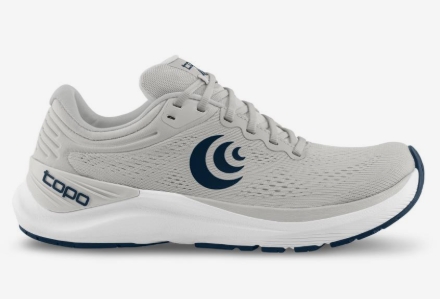
One of the underrated parts of being an athlete is the countless hours we spend training outside of the spotlight. Early mornings before school, late evenings after study sessions, and weekends when others are out relaxing—we’re running drills. That’s when I realized durability mattered just as much as performance. The outsole on these shoes has taken me through mud, wet grass, and the occasional unexpected puddle without giving up. The grip kept me upright when I thought I’d slip, and the shoe never felt like it was slowing me down.
But here’s the part that made me smile the most: comfort didn’t come at the expense of style. I’ve worn them casually with joggers when heading to the library, and they never looked out of place. There’s something about their design that balances the athletic vibe with a clean aesthetic, which means I don’t feel like I’m stomping around campus in bulky training gear all day.
What surprised me is how quickly they became a ritual for me. Before every exam-related fitness test, lacing them up feels like a mental switch. It’s not just about putting on shoes—it’s about stepping into the mindset that I’m ready, that I’ve got the right tools with me, and that no matter how tough the course or drill is, I can push through. That little moment of tying the laces became my version of flipping the “game on” button.
Looking back at how much my performance has grown, I can honestly trace a big part of it to the consistency these shoes gave me. They didn’t just protect my feet—they gave me confidence to train harder, run faster, and recover without worrying about unnecessary aches. And in a world where one second or one slip can make the difference in a fitness test score, that reliability is worth more than anything.